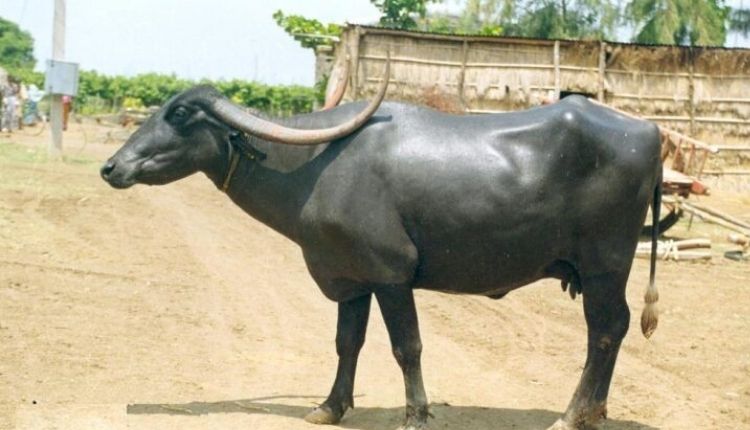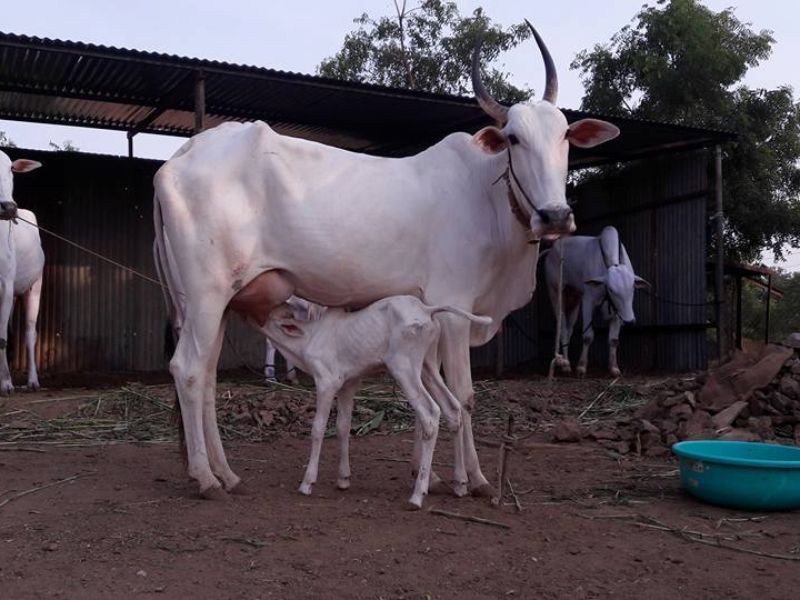
A “buffalo gotha” refers to a buffalo shed or dairy farm, and its design should focus on providing a comfortable and functional environment for the animals. Key design elements include an open, well-ventilated structure, sloped floors for drainage, raised mangers for feeding, and separate areas for different animal groups, such as calves. Adequate space per animal (around 30–40 sq ft) and access to clean water are also crucial.
Dung, the undigested waste from plant-eating animals, is a versatile and widely used bioresource with significant applications in agriculture, energy production, ecology, and traditional practices. Primarily composed of lignin, cellulose, hemicellulose, and various minerals, its composition varies depending on the animal’s diet.
Composition:
Animal dung (manure) is organic matter mainly composed of feces and urine, often mixed with bedding straw in domestic settings. Cow dung, a common type, contains essential nutrients like nitrogen, phosphorus, and potassium, along with trace minerals such as sulfur, iron, and magnesium. It also harbors a diverse microbial population, including beneficial bacteria and fungi.